
Neural Networks for Portfolio Optimization
Learn how deep learning models identify patterns in asset performance and construct portfolios that adapt to changing market conditions.
Each webinar brings together concrete case studies and live model testing. You'll see how algorithms interact with DeFi data patterns and why certain approaches fail under volatility.
Learn how deep learning models identify patterns in asset performance and construct portfolios that adapt to changing market conditions.
Discover how agents learn optimal execution strategies through trial and error, improving order placement and reducing market impact costs.
Explore how combining multiple machine learning models improves factor selection and creates more stable return predictions across market cycles.
Practical Advantage
Most participants join from locations where in-person seminars aren't an option. Remote format removes travel friction and gives you time to run code during the session without rushing through airports.
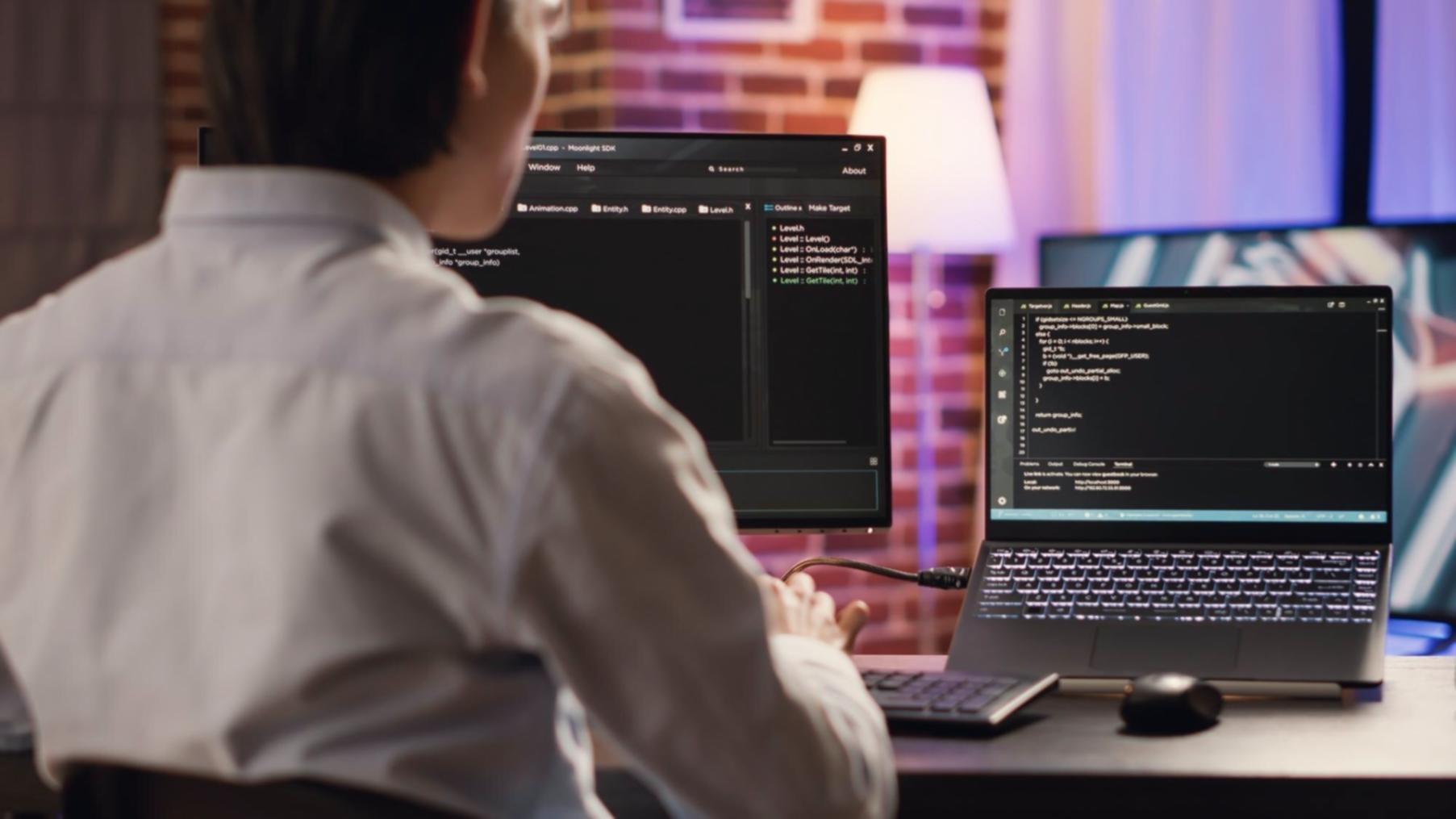
Screen-sharing makes it easier to walk through complex data pipelines. You see the exact commands being executed, error messages as they appear, and the instructor's debugging process in real-time.
Understanding how smart contract mechanics create data patterns that require specialized modeling approaches
Building extraction layers that handle blockchain latency and transaction confirmation delays
Choosing algorithms based on feature sparsity and the non-stationary nature of DeFi markets
Testing performance across different market regimes to avoid overfitting to bull market conditions
You should be comfortable reading transaction logs and understanding gas mechanics. We don't assume you've built a full dApp, but knowing how transactions propagate helps when interpreting model outputs.
Python libraries for blockchain data extraction, standard ML frameworks like scikit-learn and TensorFlow, and visualization tools for time-series analysis. All code examples are shared in advance so you can follow along.
Recordings stay available for 6 months after the live session. You also get the notebook files with all code snippets and links to the datasets used during demonstrations.
Participants can ask questions throughout via chat or unmute for direct discussion. Most sessions include at least one breakout segment where small groups tackle a specific modeling challenge before reconvening.